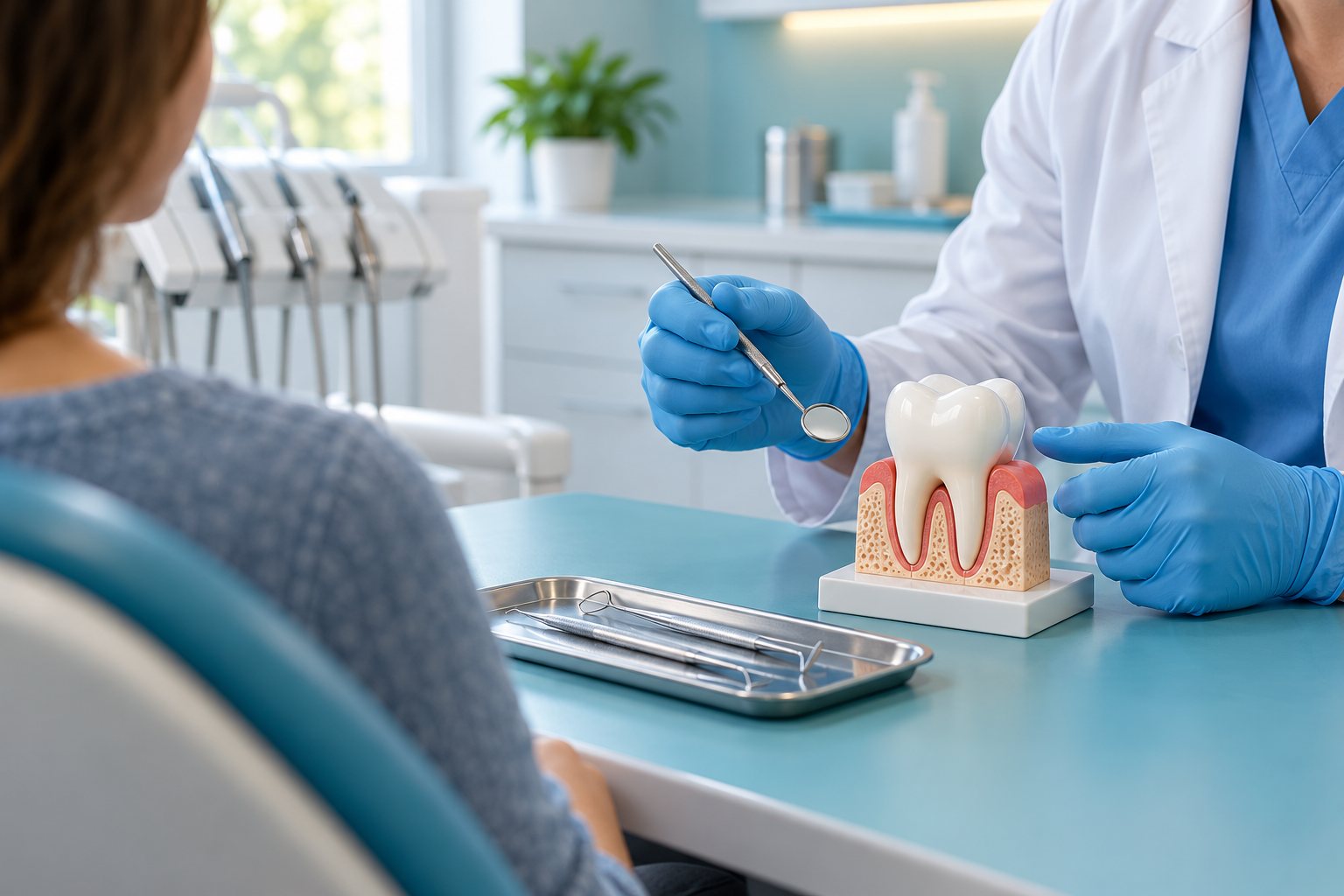
When cost is a barrier, start with services that can assess your needs and explain their fees. A verified list of local contacts is more useful than an advertisement promising free treatment to everyone.
Explore suitable services
Dental-school clinics may offer supervised care at reduced fees. Dental-hygiene schools may provide certain preventive services, and local health departments can help identify community resources. NIDCR lists these routes but does not provide routine dental care or financial assistance itself.
Record the actual location and services offered. A program's main office is not always where treatment takes place, and eligibility requirements differ.
Questions before you travel
- Are new patients being accepted?
- Which documents are needed to assess fees or eligibility?
- What does the first appointment cost and include?
- Which services need a separate referral?
- How are urgent concerns and waiting lists handled?
Turn contacts into a practical plan
Confirm the appointment and what to bring. Keep instructions and ask how to update your contact details if they change. If the concern is urgent, explain that when calling instead of simply joining a routine waiting list. A directory helps you find a service; the provider must confirm availability, eligibility and your individual estimate. Keep notes so you can compare answers without having to repeat the same questions each time.
Source
Supporting patient information
Educational information for planning a dental conversation; your dental team can advise you about your own care.