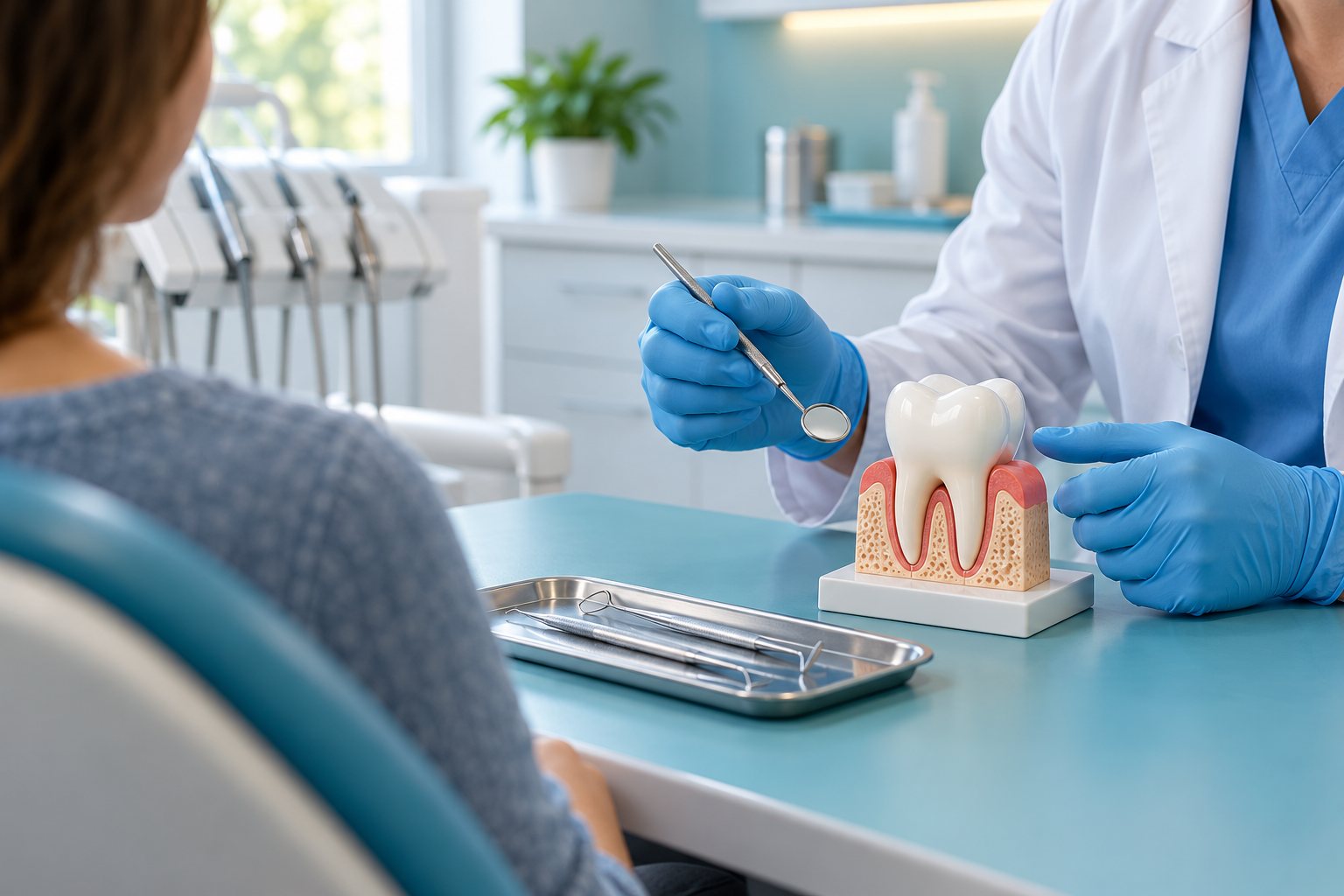
A sore jaw, a partner hearing grinding or wear noticed by a dentist can all start a useful conversation. They are reasons for an assessment rather than enough information to identify the cause on your own.
Record the pattern
Note when discomfort occurs, whether it is present on waking and any changes in how your teeth feel. Mention chips, damaged restorations, sleep concerns and relevant health information. Grinding or clenching can have more than one contributing factor.
The assessment helps distinguish what needs protection, what needs treatment and whether another clinician should be involved.
Questions to bring
- What findings suggest grinding or clenching?
- Is existing dental work affected?
- Would a protective appliance be appropriate?
- How would it be fitted and reviewed?
- What else should be assessed?
If an appliance is recommended
Ask for instructions specific to that device. Bring it back if it becomes uncomfortable or no longer fits as expected. A night guard is not the same as a sports mouthguard, so clarify the purpose before buying a substitute. Keep the review plan with your appointment information. Monitoring changes over time is more useful than repeatedly comparing teeth with online photographs or assuming every jaw symptom or headache has the same explanation.
Source
Supporting patient information
Educational information for planning a dental conversation; your dental team can advise you about your own care.