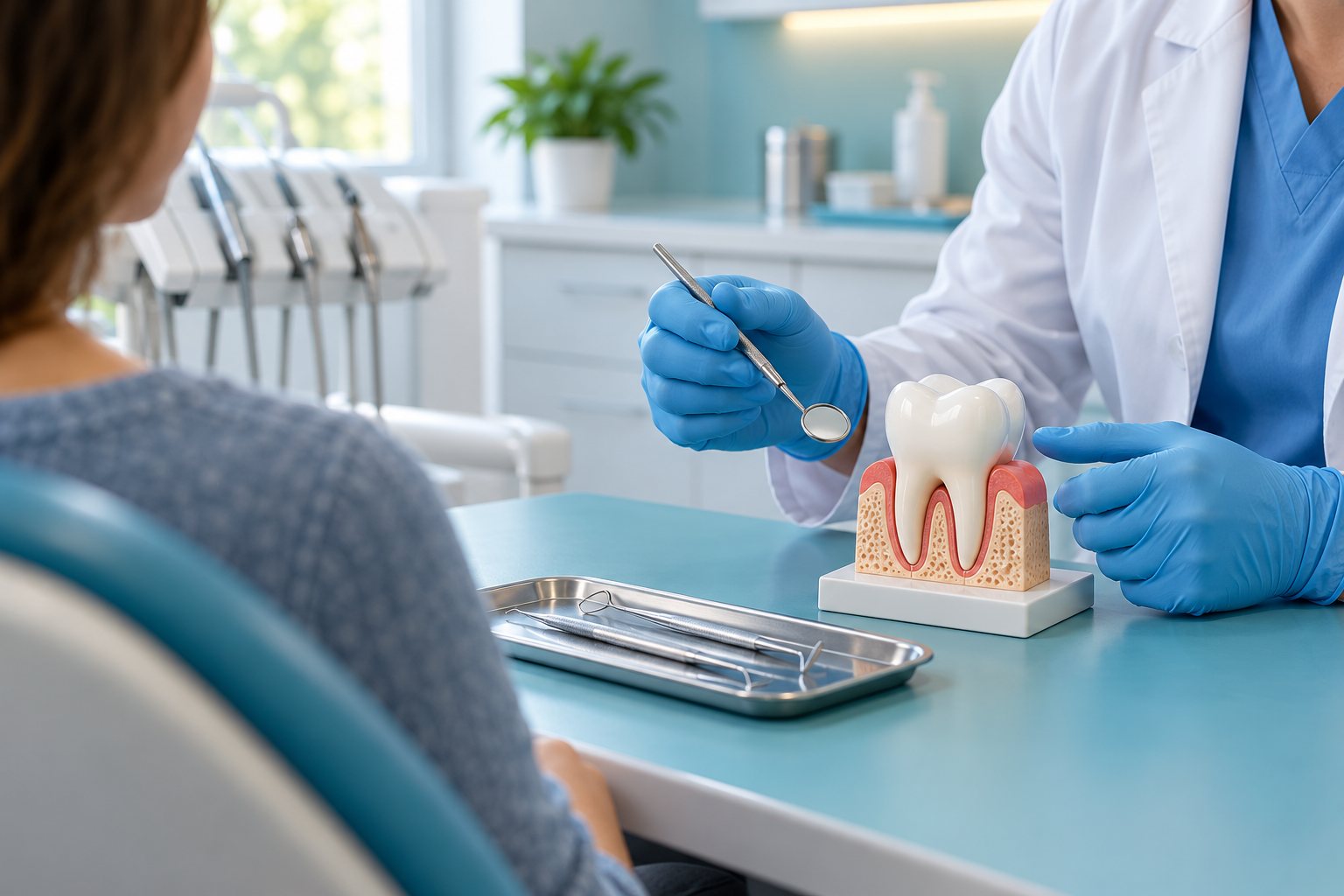
A brief sting with a cold drink and persistent tooth pain are not interchangeable descriptions. Explaining the pattern helps the dental team decide what to examine and what questions to ask next.
Describe the sensation
Notice whether one tooth or several are affected, what triggers the discomfort and how long it lasts. Mention whether it began after dental work or a product change. Sensitivity can be associated with decay, damaged teeth, worn restorations, gum problems or exposed dentin.
Because the approach depends on the cause, a product recommended to a friend may not be appropriate for your situation.
Ask at the appointment
- Which tooth or area is responsible?
- What did the examination show?
- Is a home-care change suitable or is treatment needed?
- How should a recommended product be used?
- When should persistent symptoms be reviewed?
Track meaningful changes
Record any product name and follow the instructions given. Ask what improvement is expected and how it will be assessed. Contact the practice if the symptoms change or become more severe rather than assuming it is the same problem. You do not need to provoke pain repeatedly to test it; a brief record of normal triggers and an examination provide a better starting point for an explained plan.
Source
Supporting patient information
Educational information for planning a dental conversation; your dental team can advise you about your own care.