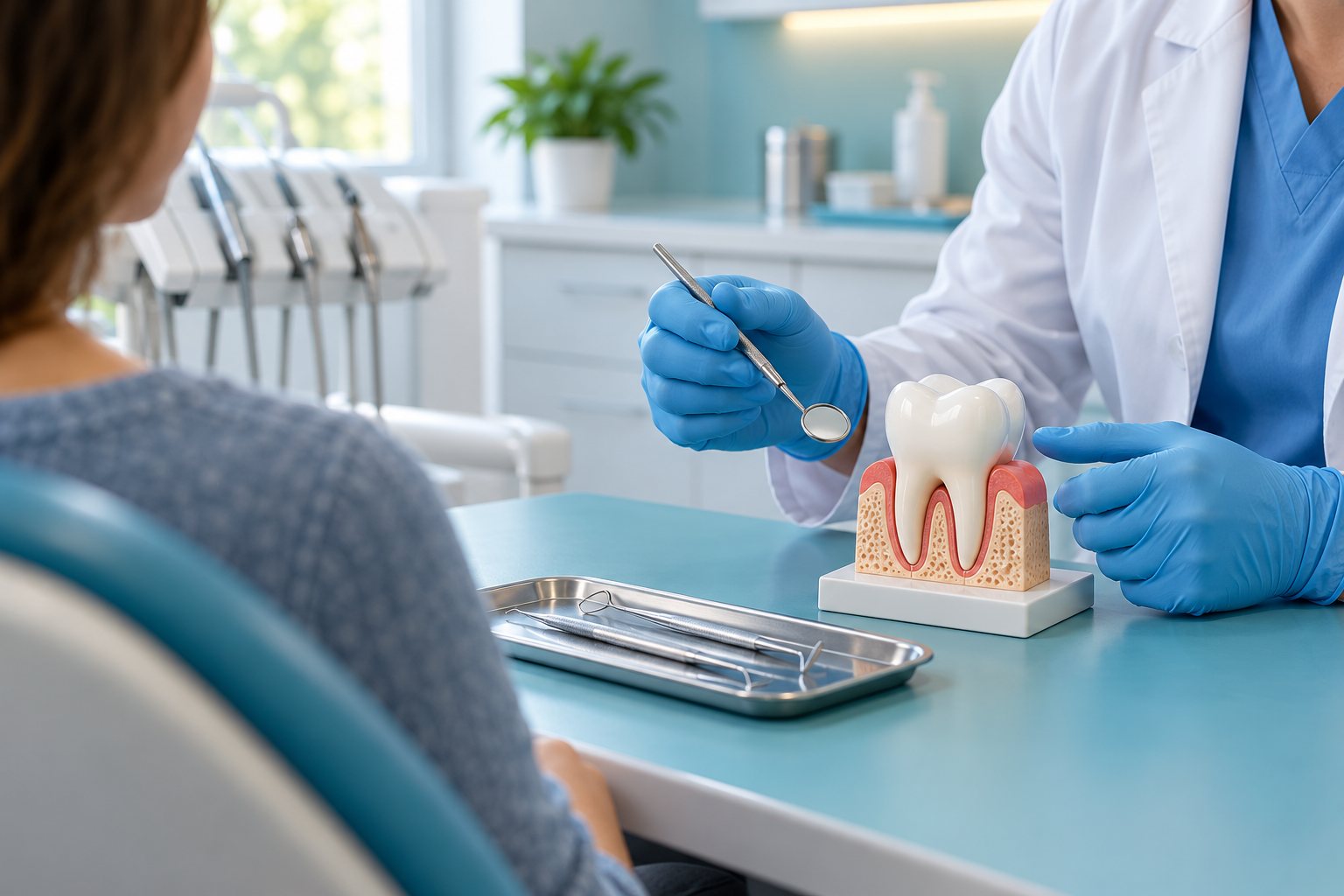
A dry mouth can affect eating, speaking and comfort. If it keeps happening, mention it at an appointment instead of treating it only as an occasional inconvenience.
Why the history matters
Saliva helps protect the mouth and teeth. Reduced saliva can be associated with medicines or health conditions, and the cause differs between people. A dentist can consider symptoms and oral-health risk together when discussing next steps.
Bring a full medicine list, including nonprescription products. Note when dryness occurs and whether it affects meals, sleep or wearing dentures. Do not stop a prescribed medicine on your own; discuss concerns with the clinician responsible for it.
Questions to ask
- Could my health or medicine history be relevant?
- What changes may help with these symptoms?
- Which products are suitable for me?
- Is additional preventive care or monitoring needed?
- Should another healthcare professional be involved?
Make instructions specific
Ask the team to write down recommended product names and directions. Explain swallowing problems or other limitations that could make a suggestion difficult to follow. Agree on what happens if the first approach does not help. A useful plan addresses comfort and the health of your teeth, and includes a review rather than assuming one product provides a permanent answer without assessing why dryness occurs.
Source
Supporting patient information
Educational information for planning a dental conversation; your dental team can advise you about your own care.